Understanding Dietary Preferences
Meal prep becomes more straightforward when you understand what each dietary preference includes and excludes. Vegetarian diets typically exclude meat, poultry, and fish but may include eggs and dairy. Vegan diets go further, excluding all animal-derived ingredients, including honey. Gluten-free eating avoids wheat, barley, rye, and cross-contaminated oats, which is essential for people with celiac disease or gluten sensitivity. Dairy-free means avoiding milk, cheese, butter, and other products made from cow’s milk, while still allowing plant-based foods.
These choices often overlap: you might follow a vegetarian meal plan that is also gluten-free. Many popular meal prep ideas shared on inspiration platforms combine these preferences, showing bowls, salads, and grain-based dishes that are adaptable. Knowing what you need to avoid helps you select ingredients that are both satisfying and aligned with your goals.
- Identify which foods to avoid for each preference.
- Check labels for hidden sources, such as broths, sauces, and seasonings.
- Focus on whole, naturally compliant foods like vegetables, fruits, legumes, nuts, and seeds.
Sources: Pinterest
Building Balanced Plant-Based Meals
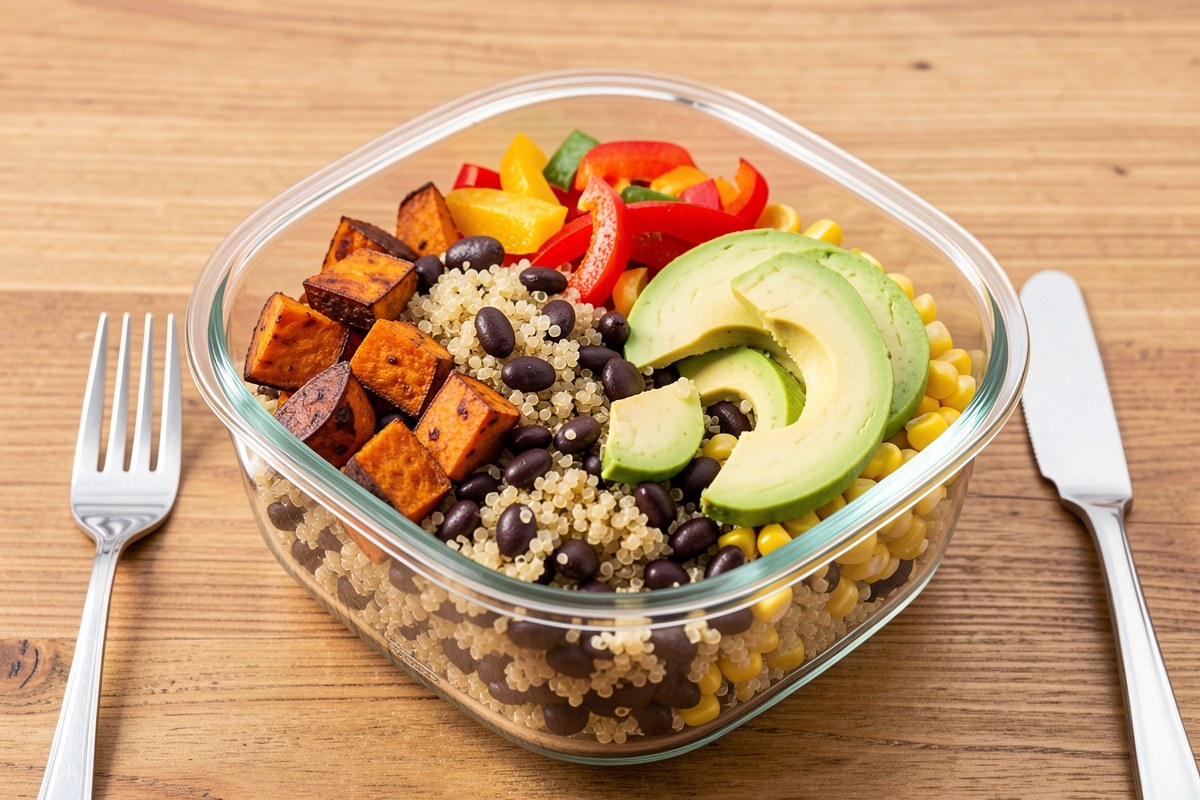
Balanced meal prep for vegetarian or vegan diets should include a mix of carbohydrates, protein, healthy fats, and plenty of vegetables. A simple approach is to include a variety of vegetables, whole grains, and plant proteins in each meal. Add a source of healthy fat, such as avocado, nuts, or olive oil, to help with satiety and nutrient absorption.
You can also think in terms of color: aim for at least three different colored vegetables across your week. This naturally boosts the variety of vitamins and minerals. Many meal prep boards feature dishes like roasted vegetables with quinoa, lentil soups, and tofu stir-fries, which fit this template. Starting with this structure makes it easier to assemble meals that keep you full until your next meal.
- Include a variety of vegetables, whole grains, and plant proteins.
- Incorporate healthy fats for flavor and fullness.
- Prepare grains and proteins in bulk to assemble meals quickly.
Sources: Pinterest
Protein Sources for Each Diet
Protein is a common concern when planning vegetarian and vegan meals, but many plant foods supply ample amounts. For vegetarians, eggs, Greek yogurt, cottage cheese, and plant-based options like tofu, tempeh, and legumes all work. Vegans rely solely on plant sources: beans, lentils, chickpeas, tofu, tempeh, edamame, and seitan (unless gluten-free is needed). Nuts, seeds, and whole grains also contribute smaller amounts.
If you avoid gluten, you need to be careful with seitan and some processed meat substitutes that contain wheat. Naturally gluten-free protein sources include beans, lentils, chickpeas, tofu, tempeh, and eggs. For dairy-free diets, plant-based milks and yogurts can replace dairy, but check for added protein and calcium if those matter to you. High-protein vegan recipes like chickpea tuna salad, lentil meatballs, and tofu scrambles are common on meal prep boards, showing that creative options exist.
- Vegetarian: eggs, dairy, tofu, legumes, and whole grains.
- Vegan: beans, lentils, tofu, tempeh, nuts, and seeds.
- Gluten-free: legumes, tofu, tempeh, eggs, and quinoa.
- Dairy-free: plant-based milks, fortified yogurts, and leafy greens.
Sources: Pinterest
One-Week Sample Meal Plan for Each Diet
To make meal prep practical, create a weekly menu that repeats proteins and grains in different combinations. Here are sample ideas for each diet. A vegetarian menu might include overnight oats with berries and nuts for breakfast, chickpea salad wraps for lunch, and a veggie stir-fry with tofu for dinner. A vegan version could swap Greek yogurt for coconut yogurt and use lentils instead of cheese.
For gluten-free meal prep, start with a base of rice or quinoa. Prepare a large batch of roasted vegetables and a pot of beans or lentils. Then, for lunches, combine them into grain bowls with a simple dressing. For dinners, use gluten-free pasta or rice noodles in a stir-fry, as seen in inspiration boards that pair vegetables with rice and potatoes.
Dairy-free means choosing plant-based alternatives: use almond milk in smoothies, and top your toast with avocado instead of butter. For a week of meals, consider a big pot of dairy-free curry with chickpeas and spinach, served over rice. These patterns show how you can mix and match ingredients across the week while keeping shopping and prep efficient.
- Day 1 (all diets): Breakfast – overnight oats with berries; Lunch – quinoa and roasted vegetable bowl; Dinner – lentil soup with a side salad.
- Day 2 (vegetarian): Greek yogurt parfait, caprese sandwich (with fresh mozzarella), and whole-wheat pasta with marinara and white beans. (Vegan: use coconut yogurt and omit mozzarella.)
- Day 3 (vegan): Smoothie with spinach, banana, and peanut butter; hummus and veggie wrap; black bean tacos with salsa and avocado.
- Day 4 (gluten-free): Eggs and roasted potatoes; big salad with chickpeas, sunflower seeds, and balsamic; grilled tofu with rice and broccoli.
- Day 5 (dairy-free): Almond-milk chia pudding; tempeh lettuce wraps; tofu pad thai with rice noodles and vegetables.
- Day 6 (all): Use leftovers to create a grain bowl, a frittata (if not vegan), or a smoothie.
- Day 7 (planning): Cook a large batch of grains and legumes for the upcoming week.
Sources: Pinterest
Gluten-Free Grains and Substitutes
A gluten-free meal prep revolves around grains that do not contain wheat, barley, or rye. Safe options include rice, quinoa, millet, buckwheat (even though the name has “wheat,” it is gluten-free), amaranth, and certified gluten-free oats. Many meal prep recipes naturally use these grains, such as rice bowls, quinoa salads, and vegetable stir-fries.
For pasta, choose brown rice pasta, chickpea pasta, or lentil pasta, but always read the label because some brands are made in shared facilities with wheat. Gluten-free bread and wraps are available, but they can be more fragile; toast them or use lettuce leaves for a sturdy wrap. Potatoes, corn, and whole vegetables are naturally gluten-free, so they can fill out meals without worry.
Cross-contamination is a real risk in gluten-free meal prep. Use separate toasters, strainers, and cutting boards if you share a kitchen with gluten-containing foods. Clean surfaces thoroughly and check that any sauces or condiments are labeled gluten-free. Even oats must be specifically labeled as gluten-free to avoid contamination.
- Safe grains: rice, quinoa, millet, buckwheat, amaranth.
- Careful with oats – choose certified gluten-free.
- Watch for cross-contact in shared kitchens.
Sources: Pinterest
Dairy-Free Alternatives and Calcium Sources
Dairy-free meal prep is easier than ever because many plant-based milks, yogurts, and cheeses now exist. Almond milk, soy milk, oat milk, and coconut milk can replace cow’s milk in smoothies, cereals, and baking. When choosing a plant-based milk, check for added calcium and vitamin D, as these nutrients are naturally low in many plant drinks.
For cheese, you can use nutritional yeast for a cheesy flavor in sauces or on pasta. Cashew-based cheeses and store-bought dairy-free shreds work for pizzas and casseroles. In sweet recipes, coconut milk makes creamy desserts and smoothies.
Calcium is a key nutrient when you avoid dairy. Good plant sources include fortified plant milks and juices, tofu made with calcium sulfate, leafy greens like kale and bok choy, broccoli, and almonds. Some meal prep boards show berry parfaits with non-dairy yogurt and nuts, which add calcium and protein. Make sure your week includes these foods regularly to meet your needs.
- Use fortified plant-based milks and yogurts.
- Incorporate tofu, leafy greens, and almonds for calcium.
- Nutritional yeast adds a cheesy flavor without dairy.
Sources: Pinterest
Frequently asked questions
How do I get enough protein on a vegetarian meal prep?
Vegetarian meal prep can easily include protein-rich foods like eggs, Greek yogurt, cottage cheese, tofu, tempeh, beans, lentils, and quinoa. Plan each meal to include one or two of these, aiming for about a palm-sized portion at lunch and dinner. For example, a salad with chickpeas and hard-boiled eggs provides a solid base for a satisfying prep.
Sources: PinterestWhat are good vegan meal prep lunch ideas?
Popular vegan meal prep lunches include chickpea “tuna” salad, lentil meatballs with marinara, tofu stir-fries, and quinoa bowls with roasted vegetables and a tahini dressing. These are high in protein and fiber, and they keep well in the fridge for several days. To save time, cook a batch of grains and beans at the start of the week and combine them in different ways.
Sources: PinterestAre oats naturally gluten-free?
Oats are naturally gluten-free, but they are often contaminated with wheat during growing, harvesting, or processing. To ensure they are safe for a gluten-free diet, look for oats specifically labeled “gluten-free” or “certified gluten-free.” These oats are processed in a way that minimizes cross-contact with gluten-containing grains.
Sources: PinterestHow can I meet calcium needs without dairy?
You can get calcium from fortified plant-based milks and yogurts, tofu made with calcium sulfate, leafy greens like kale and bok choy, broccoli, and almonds. Including these foods regularly in your meal prep helps you reach your daily calcium needs. For example, add a handful of kale to smoothies, or snack on almonds with your lunch.
Sources: PinterestSources
- Vegetarian Gluten Free Meal Prep — Pinterest
- Gluten Free Vegetarian Meal Plan — Pinterest
- Healthy Meal Prep Gluten Free — Pinterest
- Gluten Free Vegan Meal Prep — Pinterest
- Gluten Free Weekly Meal Prep — Pinterest