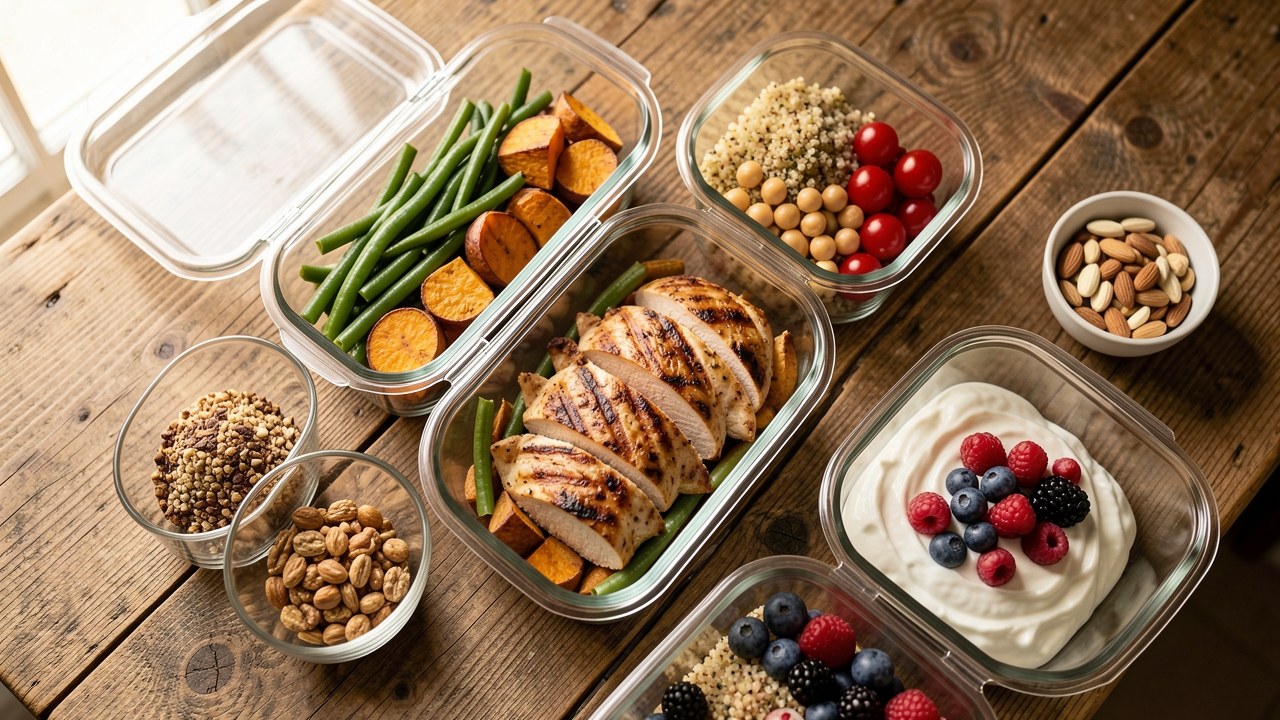
What Is Balanced Meal Prep?
Meal prep involves planning, cooking, and storing meals in advance so you have nutritious food ready throughout the week. Instead of deciding what to eat at the last minute, you set aside a block of time to prepare components or full meals that can be refrigerated or frozen and enjoyed later.
A balanced meal prep focuses on including a variety of nutrient-dense foods—such as vegetables, fruits, lean proteins, and whole grains—in proportions that support your energy and health. The goal is to have satisfying meals that align with your personal nutrition needs, whether you are cooking for one or for a family.
Sources: Balanced Bites Science
Why Meal Prep for Health and Time Savings?
One of the most immediate benefits of meal prepping is the time it saves during the week. When meals are already prepared, you can skip the daily question mark of 'what's for dinner?' and reduce the stress that often comes with cooking from scratch every night. Many people also find that having ready-to-eat meals makes it easier to stick to a healthy eating pattern, even on busy days.
By planning your meals ahead, you are more likely to include balanced portions and a mix of macronutrients—proteins, carbohydrates, and healthy fats—which can help you feel fuller and maintain steady energy. Meal prep can also support weight management when it helps you serve consistent, portion-controlled meals, though individual results depend on your overall diet and lifestyle.
- Reduces daily decision fatigue and last-minute takeout choices.
- Helps you incorporate more vegetables, fruits, lean proteins, and whole grains.
- Supports portion control and consistent eating patterns.
Sources: ILiveHealthy.com, Tap Health
Core Components of a Balanced Meal
A balanced meal is not just about counting calories; it is about including the right mix of nutrients. Aim to include a variety of vegetables and fruits for vitamins, minerals, and fiber. Add a source of lean protein such as chicken, fish, beans, or tofu to support muscle repair and satiety. Include whole grains like quinoa, brown rice, or whole-wheat pasta for lasting energy, and don't forget healthy fats from sources like avocados, nuts, or olive oil.
When you plan your meal prep, think of each container or plate as an opportunity to combine these components. Try to make meals that are satisfying and nutrient-dense, adjusting portions to your own appetite and activity level. This framework is flexible and can be adapted to your preferences and dietary needs.
Sources: Balanced Bites Science, Tap Health
Getting Started: Key Steps for Beginners
If you are new to meal prep, it helps to break the process into manageable steps. Start by choosing a few recipes or simple meal components that you enjoy and that use similar ingredients to reduce waste. Make a list of what you need, then set aside a few hours on a weekend or a day off to prepare in batches.
Efficiency comes from batch cooking and using versatile ingredients. For instance, you can cook a large batch of grains, roast a tray of vegetables, and grill several chicken breasts at once. Then you can mix and match these components into different meals throughout the week. This approach not only saves time but also gives you variety without extra effort.
- Start small: prep just two or three dinners or lunches for the first week.
- Choose recipes that share ingredients, like a grain bowl that can be varied.
- Store prepared food in airtight containers and label them with the date to track freshness.
- Remember that not every meal needs to be fully cooked ahead; you can prep ingredients for later assembly.
Sources: ILiveHealthy.com, Balanced Bites Science
Common Meal Prep Mistakes to Avoid
Even with good intentions, some common mistakes can make meal prep less effective. One is trying to prepare too many different meals at once, which can lead to burnout and food waste. Another is forgetting to use food storage best practices—like using airtight containers and labeling items with dates—which helps maintain quality and safety.
Another mistake is ignoring portion sizes. While meal prep is convenient, it is important to pack portions that match your needs. If you fill every container to the brim, you might end up eating more than you intended. Finally, avoid prepping foods that do not hold up well in the fridge or freezer, such as certain salads that become soggy. Learn which ingredients stay fresh so you can plan accordingly.
- Overcomplicating: aim for simple, repeatable meals.
- Skipping labels: date each container to know what to eat first.
- Ignoring food safety: cool cooked food promptly and store in proper containers.
- Not using versatile ingredients: this leads to extra work and waste.
Sources: Balanced Bites Science, The Healthy Habit Hub
Where to Find More Guidance on This Site
This homepage gives you the foundation, but you can find deeper help throughout the site. For a step-by-step beginner’s walkthrough, visit our Getting Started section. If you want help planning your weekly menu, explore Meal Planning. For specific ideas, the Recipes pages offer balanced meal combinations. To ensure your prepped food stays safe, read our Storage and Safety guide. If you have dietary restrictions or preferences, check the Dietary Adaptations and Nutrition sections. And when you encounter unfamiliar terms, our Glossary of meal prep terms can help.
Each of these pages expands on the principles introduced here, giving you practical advice and real ideas you can use in your own kitchen.
Frequently asked questions
How long does meal prepped food last in the fridge?
Storage times vary by food type and preparation method. To maintain quality and safety, store cooked food in airtight containers, cool it promptly after cooking, and label each container with the preparation date. Follow general food safety guidelines and use your senses to judge freshness.
Sources: Balanced Bites ScienceCan meal prep help with weight management?
Some people find that meal prepping supports weight management because it makes it easier to control portions and avoid impulsive, less healthy choices. By having consistently portioned meals ready, you can stick to a balanced eating plan more reliably. However, the effectiveness depends on the overall quality and quantity of the meals you prepare and your complete dietary pattern.
Sources: Tap HealthWhat containers are best for meal prepping?
The best containers are those that are airtight and appropriate for the type of storage you use—refrigerator, freezer, or reheating. Look for durable, leak-proof options that are microwave-safe if you plan to reheat directly in them. Label each container with the dish name and date to keep track of freshness. Many meal preppers prefer glass containers because they do not absorb odors and are easy to clean, but sturdy BPA-free plastic is also a practical choice.
Sources: Balanced Bites ScienceDo I need to prep all meals for the week?
No, you do not need to prep every meal for the week. Many people start by prepping just a few components, such as cooked grains, roasted vegetables, or a batch of chicken, then combine them with quick fresh items throughout the week. Others prepare full lunches for workdays or a few dinners. Find the rhythm that fits your schedule and cooking preferences. Even prepping a couple of ingredients can save significant time and reduce stress.
Sources: ILiveHealthy.com, Tap HealthSources
- Healthy Meal Prep Ideas for Busy People - ILiveHealthy.com — ILiveHealthy.com
- Healthy Meal Prep Ideas: Easy Meal Prep Tips and Make-Ahead Meals for Aspiring Nutritionists and Dietitians – Balanced Bites Science — Balanced Bites Science
- Healthy Meal Prep Ideas for Busy Professionals — Tap Health
- Meal Prep - The Healthy Habit Hub — The Healthy Habit Hub