What Makes a Meal Balanced?
A balanced meal includes all three macronutrients: protein, carbohydrates, and fat. This trio works together to provide steady energy, support muscle repair, and keep you satisfied after eating. When you prepare meals ahead of time, you have the advantage of choosing ingredients and portion sizes that fit this balance.
Meal prep can contribute to a more nutritionally balanced diet and help with weight control because you decide the ingredients and portions served. By planning ahead, you can ensure each container holds a proper mix of nutrients rather than relying on last-minute choices.
- Protein supports muscle maintenance and satiety.
- Carbohydrates provide fuel for daily activities.
- Fats help with nutrient absorption and hormone function.
- Fiber-rich vegetables add volume and important vitamins.
Sources: Harvard T.H. Chan School of Public Health, Stephanie Kay Nutrition
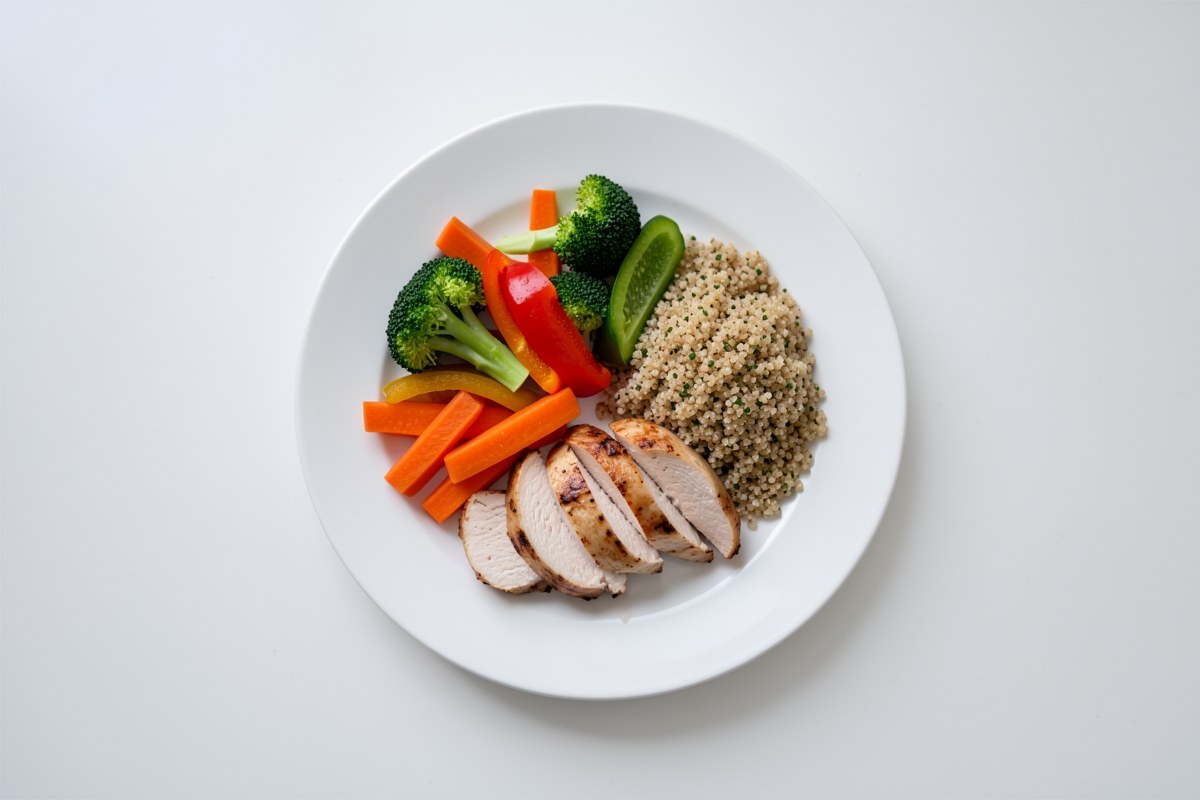
Protein Sources for Meal Prep
Choosing a variety of protein foods from both animal and plant sources is part of a healthy eating pattern. For meal prep, consider options that reheat well and can be portioned easily, such as chicken breast, turkey, fish, eggs, Greek yogurt, tofu, beans, and lentils.
If you are building plant-based meals, pairing tofu with a whole grain such as brown rice can provide all essential amino acids, making it a complete protein source. Adding a source of protein to each meal helps with satiety and muscle maintenance.
- Animal proteins: chicken, turkey, fish, eggs, Greek yogurt
- Plant proteins: tofu, beans, lentils, chickpeas
- Pair plant proteins with whole grains for a complete amino acid profile
Sources: Stephanie Kay Nutrition
Smart Carbohydrate Choices
Carbohydrates are your body's main energy source, but the type matters. Choosing whole grains over refined grains is a key principle. The USDA guidelines suggest making at least half of all grains whole grains, such as brown rice, quinoa, oats, and whole-wheat bread.
Fiber-rich carbohydrates, like beans and starchy vegetables, also provide lasting energy and help you feel full. When you add protein, fat, and fiber to a carbohydrate-rich meal, it becomes more balanced and satisfying.
- Choose whole grains: brown rice, quinoa, oats, whole-wheat pasta
- Include legumes and starchy vegetables for added fiber
- Limit refined grains like white bread and white rice
Sources: Foodzilla, Stephanie Kay Nutrition
Healthy Fats and Portion Control
Not all fats are created equal. Healthy fats, such as those from avocados, nuts, seeds, and olive oil, support heart health and help your body absorb certain vitamins. However, because fats are calorie-dense, portion control is essential.
A simple way to control portions without measuring is to use your hand as a guide. For example, a serving of protein is roughly the size of your palm, a serving of grains is about the size of your fist, and a serving of fat is about the size of your thumb. This practical method helps you estimate appropriate amounts for your meal prep containers.
- Include small amounts of healthy fats: olive oil, avocado, nuts, seeds
- Watch portion sizes: fats are calorie-dense
- Use hand-based estimates: palm for protein, fist for carbs, thumb for fat
Sources: Stephanie Kay Nutrition
Vegetable and Fruit Serving Ideas
Fruits and vegetables add essential vitamins, minerals, and fiber to your meals. The USDA recommends choosing whole fruits over juices and limiting 100% fruit juice. For vegetables, aim to fill half your plate with a variety of colors.
Meal prep makes it easy to incorporate vegetables by batch-roasting or steaming them ahead of time. Consider adding leafy greens, bell peppers, broccoli, carrots, and berries to your containers. A balanced meal idea might be oatmeal with Greek yogurt, almonds, and berries, or avocado toast with eggs and a side of orange slices.
- Fill half your plate with vegetables
- Choose whole fruits over fruit juice
- Prepare vegetables in advance: roasting, steaming, or raw with dips
Sources: Foodzilla, Stephanie Kay Nutrition
Frequently asked questions
How much protein should I eat per meal?
A common guideline is to include a palm-sized portion of protein at each meal, which is roughly 20–30 grams for most adults, but individual needs vary. For meal prep, aim to include a protein source in every main meal to support satiety and muscle health.
Sources: Stephanie Kay NutritionWhat are healthy carbohydrate sources?
Healthy carbohydrates include whole grains like brown rice, quinoa, oats, and whole-wheat bread, as well as legumes, fruits, and starchy vegetables. The USDA recommends making at least half of your grains whole grains, and choosing whole fruits over fruit juices.
Sources: Foodzilla, Stephanie Kay NutritionHow can I control portion sizes without measuring?
Use your hand as a portable guide: your palm for protein, your fist for vegetables or grains, and your thumb for fats. This method helps you estimate appropriate portion sizes when you're packing meals and doesn't require any tools.
Sources: Stephanie Kay NutritionAre all fats healthy for meal prep?
No, not all fats are equal. Healthy fats, such as those from avocados, nuts, seeds, and olive oil, are beneficial in small amounts. Saturated and trans fats, found in processed snacks and fried foods, should be limited. For meal prep, include modest portions of healthy fats to enhance flavor and nutrition.
Sources: Stephanie Kay NutritionSources
- Meal Prep Guide — Harvard T.H. Chan School of Public Health
- USDA 2025-2030 Dietary Guidelines: Serving Sizes and Meal Planning for Nutrition Professionals — Foodzilla
- 9 Well-Balanced Meal Ideas — Stephanie Kay Nutrition