Why Meal Prep Might Be Right for You
Meal prep is the practice of preparing meals or meal components in advance, usually to save time, reduce stress, and support healthier eating habits. For beginners, the key is to start small and build a routine that fits your life.
Meal prep can help you make nutritious meals more doable on busy days. When you have ready-to-eat components or complete meals in the fridge, you’re less likely to rely on last-minute takeout or less balanced options. It’s not about perfection—it’s about creating a system that works for you.
- Supports balanced eating by making healthy choices convenient.
- Saves time during the week by consolidating food preparation.
- Reduces food waste when you plan and use what you buy.
Sources: WeightWatchers USA, Liz's Healthy Table, Harvard T.H. Chan School of Public Health, The Nutrition Source
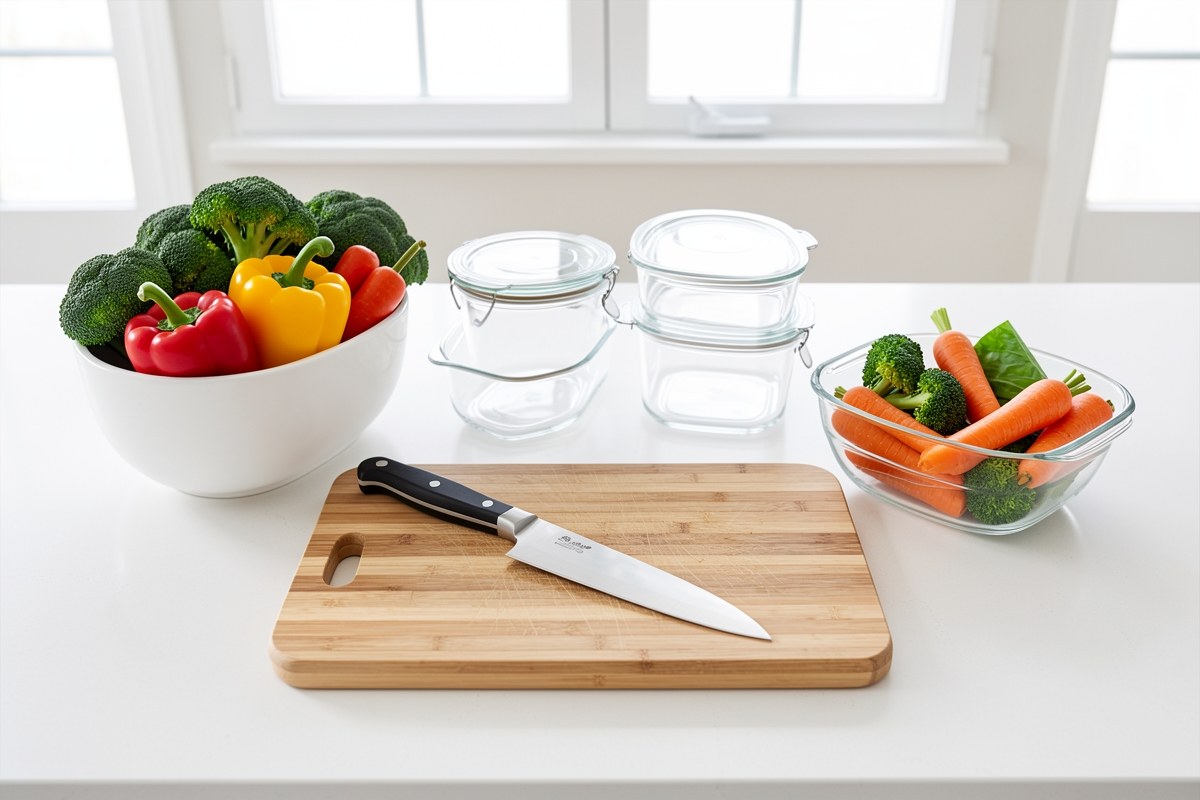
Essential Tools and Containers to Get Started
You don’t need a kitchen full of gadgets to begin meal prepping. Start with basics: a few sharp knives, cutting boards, pots and pans, and a sheet pan or casserole dish for batch cooking. For storage, airtight containers in various sizes are useful for portioning meals and keeping components fresh.
Label each container with the dish name and the date. This helps you track what you have and use items before they spoil.
- Airtight containers in single-serving or family-sized portions.
- Glass or BPA-free plastic options (choose what fits your budget and needs).
- A permanent marker and labels (or masking tape) for dating containers.
Sources: Pinch of Yum, Harvard T.H. Chan School of Public Health, The Nutrition Source
Your First Meal Prep: Choose 2-3 Recipes and Stick to Them
When you’re just starting, resist the urge to prep a week’s worth of elaborate dishes. Instead, choose about 2-3 recipes that you and your household enjoy and that reheat well. This keeps your first session manageable and reduces the chance of waste.
Good options for beginners include sheet-pan meals, casseroles, stir-fries, grain bowls, and soups. These dishes can be batch-cooked and divided into single servings. Start by aiming to create enough dinners for 2-3 nights of the week—not every meal.
On your prep day, begin with the foods that take the longest to cook, such as proteins, whole grains, dried beans, and roasted vegetables. While those cook, you can chop vegetables or assemble other components.
- Plan for 2-3 dinners for the first week.
- Pick recipes that are well-liked and reheat well.
- Cook long-cooking items first.
- Batch-cook dishes like casseroles or grain bowls and portion them.
Sources: WeightWatchers USA, Pinch of Yum, Liz's Healthy Table, Harvard T.H. Chan School of Public Health, The Nutrition Source, The Real Food Dietitians, Brian Lagerstrom (YouTube)
How to Build a Simple Meal Prep Schedule
Consistency is easier when you set aside a regular block of time for planning, shopping, and prepping. Choose a day of the week that tends to be less hectic—for many, Sunday works well. Use that time to plan your recipes, make a shopping list, and do the cooking.
You don’t have to prep every meal. Even prepping just a few dinners or a batch of grains can make a difference. As you get comfortable, you can expand to breakfasts or lunches.
- Pick one day each week for meal prep activities.
- Start with a small block of time, such as one to two hours.
- Plan meals for 2-3 days only at first.
- Involve family members in tasks like washing and chopping—it can make prep more enjoyable and even encourage kids to eat more veggies.
Sources: WeightWatchers USA, Liz's Healthy Table, Harvard T.H. Chan School of Public Health, The Nutrition Source
Tips for Fridge Organization and Visibility
A well-organized fridge helps you see what you have and grab it quickly. Place prepped items at eye level or on a designated shelf so they’re easy to spot. Use clear containers so you can identify contents at a glance.
- Store prepped meals on a visible shelf.
- Label containers with the dish name and date.
- Refrigerate cooked ground meats for 1-2 days.
- Freeze meals you won’t eat within that time.
Sources: Liz's Healthy Table, Harvard T.H. Chan School of Public Health, The Nutrition Source
How to Adjust Your Meal Prep as You Gain Experience
Once you’ve mastered the basics, you can tailor meal prep to your tastes and schedule. You might prep just components—like cooked grains, roasted vegetables, and grilled chicken—and mix them into different meals throughout the week. This adds variety without extra cooking.
To avoid getting bored with the same meals, vary your accompaniments or add different sauces to prepped components. A simple change of dressing, salsa, or herbs can make a dish taste new. You can also try new recipes that freeze well or taste even better the next day, such as soups and stews.
Remember to refrigerate perishable foods within two hours of cooking to keep them safe. As you refine your routine, you’ll find what works best for your household.
- Prep components (grains, proteins, veggies) for flexibility.
- Rotate sauces and sides to keep meals interesting.
- Experiment with freezer-friendly recipes.
- Refrigerate cooked food within 2 hours for safety.
Sources: Love and Lemons, WeightWatchers USA, Harvard T.H. Chan School of Public Health, The Nutrition Source
Frequently asked questions
How many meals should I prep in my first week?
It’s best to start small. Prepare enough dinners for 2-3 nights of the week, rather than trying to prep every meal for seven days. This helps you build confidence and avoid overwhelm or waste.
Sources: Harvard T.H. Chan School of Public Health, The Nutrition SourceWhat are the easiest foods to meal prep?
Easy foods are those that are sturdy, reheat well, and can be batch-cooked. Good examples include whole grains like rice or quinoa, roasted vegetables, grilled chicken, soups, stews, and casseroles. These can be made in large batches and portioned out.
Sources: Liz's Healthy Table, Harvard T.H. Chan School of Public Health, The Nutrition SourceCan I meal prep without investing in special containers?
Yes. You can use any airtight containers you already have, such as glass or plastic storage containers with lids. Even mason jars can work for salads or overnight oats. The key is to have containers that seal well and are easy to label.
Sources: Pinch of Yum, Harvard T.H. Chan School of Public Health, The Nutrition SourceHow do I avoid getting tired of eating the same meals?
Vary your accompaniments and sauces. For example, if you prepped a batch of quinoa and roasted chicken, serve it one day with a lemon-herb sauce, another day with salsa, and another in a wrap with fresh veggies. You can also choose recipes that taste good over several days, like soups or grain bowls with different toppings.
Sources: Love and Lemons, WeightWatchers USASources
- 60 Healthy Meal Prep Ideas — Love and Lemons
- Meal-prep ideas for beginners: The ultimate guide — WeightWatchers USA
- 25 Healthy + Delicious Meal Prep Recipes — Pinch of Yum
- Meal Prepping for Beginners: It's Easy, Saves Time, and Makes Good Nutrition Doable and Delicious — Liz's Healthy Table
- Meal Prep Guide — Harvard T.H. Chan School of Public Health, The Nutrition Source
- 85 Easy And Healthy Meal Prep Ideas — The Real Food Dietitians
- Healthy Meal Prep that ACTUALLY Tastes Good — Brian Lagerstrom (YouTube)