Why Safe Storage Matters in Meal Prep
Meal prep is a time-saver, but it only works if the food you prepare stays safe to eat. Improper storage can lead to bacterial growth, which may cause foodborne illness. The U.S. Department of Agriculture (USDA) provides food safety guidelines that home cooks commonly follow, and these guidelines are worth understanding before you fill your fridge with containers.
Food safety isn't just about avoiding a stomachache; it's about protecting your health. When you prep meals in batches, you're often cooking food that will be eaten days later. That means you need to handle, cool, and store everything correctly from the start. Good storage habits also help preserve flavor and texture, so your Wednesday dinner tastes as good as it did on Sunday.
Sources: jenneatsgoood (Substack)
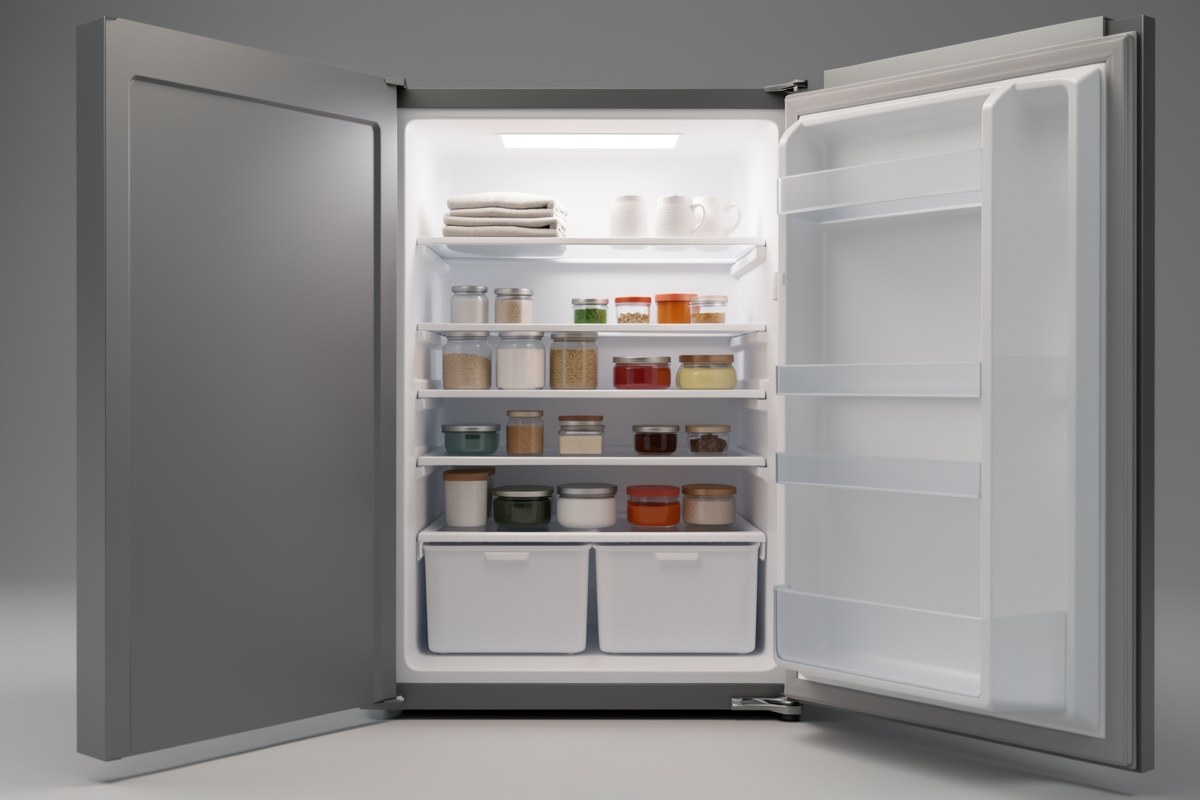
General Rules for Refrigeration and Freezing
For freezing, make sure food is completely cooled before placing it in the freezer. This prevents ice crystals from forming and keeps your food from becoming soggy. Wrap items tightly to minimize air exposure, because air can draw moisture out of food and cause freezer burn, affecting quality and flavor.
- Cool hot food quickly before refrigerating or freezing to prevent bacterial growth.
- Wrap food tightly and use airtight containers to reduce freezer burn.
Sources: jenneatsgoood (Substack), Farmhouse on Boone
Storage Timelines for Common Prepped Foods (Proteins, Grains, Vegetables)
Here are common timelines for meal prep components:
Sources: jenneatsgoood (Substack)
Best Practices for Cooling and Labeling
Cooling food properly is one of the most important steps in safe meal prep. If you put a large pot of hot chili directly into the fridge, the center may stay warm for hours, allowing bacteria to multiply. To cool food quickly, divide it into shallow containers, or set the pot in an ice bath and stir occasionally. Only after the food has stopped steaming should you place it in the refrigerator.
Labeling and dating your containers is a simple habit that helps you track freshness and identify what's inside. Use masking tape and a marker, or a dry-erase label, to write the dish name and the date you prepared it. This prevents mystery meals and helps you use older foods first.
For freezer meals, wrap items tightly to keep out air. A good method for items like burritos or sandwiches is to wrap them first in parchment paper, then aluminum foil, and finally place them in a freezer-safe bag. This triple layer offers extra protection.
- Cool food in shallow containers or an ice bath before refrigerating.
- Always label containers with the dish name and date.
- Use parchment paper, foil, and freezer-safe bags for extra protection against freezer burn.
- Store glass containers with airtight lids for visibility and easy reheating.
Sources: Edible Manhattan, jenneatsgoood (Substack)
Freezer-Friendly Meal Prep: What Freezes Well
Freezing is a meal prepper's best friend, but not all foods come out of the freezer tasting great. According to one source, foods like meatballs, rice, chicken, ground meats, sauces, and breakfast sandwiches freeze well. Casseroles and lasagnas are also freezer-friendly, and you can either freeze them in freezer-safe dishes or bake them in regular dishes and then divide them into smaller containers.
On the other hand, not all foods freeze well. Pasta, cooked leafy greens, and cooked seafood may become soft or watery after thawing. If you're planning freezer meals, focus on dishes that tolerate freezing, such as soups, stews, and sturdy casseroles.
For grains like rice and quinoa, batch-cook and freeze them in portion-sized bags. Soups and stews freeze best when you leave some headspace in the container, as liquids expand when frozen. For fresh produce like berries, spread them in a single layer on a baking sheet until frozen, then transfer to a bag to prevent clumping.
- Freeze well: meatballs, chicken, ground meats, sauces, rice, breakfast sandwiches, casseroles, soups.
- Freeze with caution: pasta, cooked leafy greens, seafood—these may lose texture.
- Leave headspace in containers for liquids.
- Freeze berries individually on a baking sheet before bagging.
Sources: jenneatsgoood (Substack), Pinch of Yum, Love and Lemons
Signs That Prepped Food Has Spoiled
Even with careful storage, food can spoil. Before eating any prepped meal, inspect it for signs of spoilage. Trust your senses: if something looks, smells, or feels off, it's safer to throw it out.
Common signs include an unpleasant or sour odor, a slimy texture, visible mold, or a change in color. For refrigerated items, if the food has been stored longer than the recommended 3 to 4 days, it's best to discard it, even if it looks fine. Freezer burn—dry, grayish patches on frozen food—doesn't make food unsafe but can affect taste and texture, so you may want to trim those areas.
- Unpleasant odor
- Slimy or sticky texture
- Visible mold
- Discoloration
- Longer storage time than recommended
Sources: jenneatsgoood (Substack)
Frequently asked questions
Can I freeze meals in glass containers?
Yes, you can freeze meals in glass containers that are labeled freezer-safe. To prevent cracking, leave some headspace for food to expand, and cool the food completely before placing it in the freezer. Avoid going from extreme hot to cold too quickly. When reheating, make sure the glass is safe for microwave use if you plan to microwave it.
Sources: Edible ManhattanHow long can cooked rice be stored in the fridge?
Cooked rice can be refrigerated for 3 to 4 days, according to general meal prep guidelines. Be especially careful with rice because it can harbor harmful bacteria if left out at room temperature for more than an hour. Refrigerate it as soon as it's cooled down.
Sources: jenneatsgoood (Substack)What is the best way to thaw frozen meal prep?
The best method is to thaw in the refrigerator overnight or for at least 8 hours. This keeps the food at a safe temperature throughout the process. Avoid thawing on the counter at room temperature, as that encourages bacterial growth. Once thawed, reheat thoroughly before eating.
Sources: jenneatsgoood (Substack)Sources
- 25 of the Best Meal Prep Ideas for Healthy Eating — Edible Manhattan
- meal prep madness: freezer-friendly edition — jenneatsgoood (Substack)
- 26 Easy and Healthy Freezer Meals — Farmhouse on Boone
- 22 Healthy Freezer Meals (That You'll Actually Love) — Pinch of Yum
- 31 Healthy Freezer Meals — Love and Lemons